If a life insurance policy lapses after a hospital stay, it can create significant challenges for both policyholders and their beneficiaries, particularly in the winter months when health risks can be higher. Understanding the process and knowing the steps to take can make a difference in protecting your family’s future. This article discusses what happens when a policy lapses due to missed payments, particularly during a hospital stay, and what you can do to avoid or address such a lapse.

The Importance of Life Insurance and the Risks of a Lapse 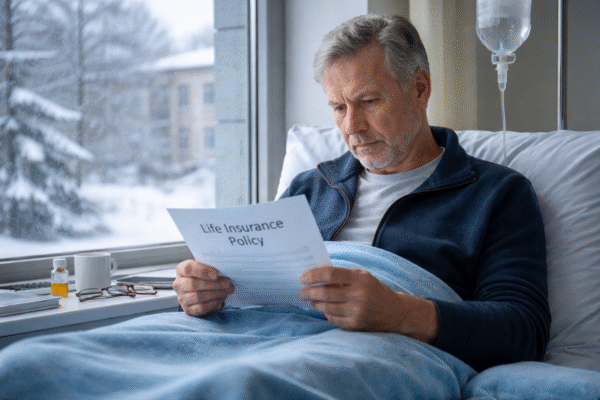
At Trief Olk & Dror, we understand that life insurance provides essential financial protection for families, particularly in times of illness and financial strain. This coverage can offer peace of mind, knowing that loved ones will be supported if something happens. However, one of the most common problems faced by life insurance policyholders is a policy lapse.
A lapse occurs when the policyholder fails to pay their premiums, causing the policy to become inactive. When this happens, the coverage ends, and beneficiaries may not receive the intended financial support. Unfortunately, policyholders often miss payments when they are faced with unexpected life events, such as a hospitalization.
Why Hospital Stays Lead to Policy Lapses
During the winter, many individuals are more susceptible to illness, especially respiratory conditions like the flu or pneumonia. Hospital stays due to these illnesses can be costly, both in terms of medical expenses and the inability to work. This financial strain can make it difficult to stay current on life insurance premiums. When a policyholder is unable to make timely payments, a lapse can occur.
Hospitalization and health issues can also create confusion about the priority of financial obligations. Between medical bills, prescription costs, and potential loss of income, life insurance premiums may fall by the wayside. This leads to a situation where a policyholder might inadvertently cause their policy to lapse without fully realizing the consequences.


What Happens When a Policy Lapses After a Hospital Stay?
If a policyholder’s life insurance lapses after they’ve been hospitalized, there are a few possible outcomes, each depending on the insurance provider, the policyholder’s situation, and the timing of the lapse. Some of the potential consequences include:
- No Coverage for Death Benefits: If the policy lapses, the coverage ends, and there will be no payout to beneficiaries in the event of the policyholder’s death. This can be devastating, especially if the policyholder dies shortly after their hospital stay.
- Missed Opportunities for Reinstatement: Some policies include a grace period during which a policyholder can reinstate the policy if they missed a payment. If the policyholder catches up on payments within the grace period, the coverage can be reinstated without penalty. However, this period is often limited (usually 30 days), and policyholders must act quickly.
- Possible Exclusions for Pre-existing Conditions: If the lapse occurs and the policyholder attempts to reinstate the policy after hospitalization, insurers might require medical underwriting. If the policyholder had a pre-existing condition during the lapse period, the insurer may not reinstate the coverage, or they may increase the premiums.
- Waiver of Premium Clauses: Many life insurance policies come with a “waiver of premium” clause, which could allow a policyholder to suspend premium payments without causing a lapse if they become ill or disabled. This clause is designed to protect policyholders during times of financial hardship. However, it is not automatically applied, and the policyholder needs to request it from the insurer.
We contacted Trief, Olk & Dror to help us with a life insurance issue and Shelly Friedland was the attorney assigned to our case. Before Shelly took our case she explained to us that the likelihood of our success without going to court was possible but not likely. Unfortunately we did not get the outcome we had hoped for but it was our decision to not move forward and have our case litigated. Shelly is very knowledgeable and was very straight-forward in her assessment of our case as we moved forward. She was very patient and thorough in answering our questions. She always responded in a timely manner and listened to our concerns. We would certainly recommend Shelly and would use her firm again in the future.” - John Ramig If there is any possibility of winning your life insurance case – this is the place to do it for you. They are efficient, honest and will achieve the best possible outcome. Shelly Friedland worked on my case where a life insurance policy had lapsed and was even a few days beyond the grace period. Farmers had rejected my claim twice and was unwilling to take a second look. Shelly was able to get them to pay the entire claim without going to court, and the full amount was deposited in my account within a couple months. Highest recommendation.” - Kathleen Brown Trief, Olk & Dror is a superior law firm. Their attorneys and other legal professionals have a brilliant understanding of the law and the litigation process. They diligently perform their work in an efficient, strategic and cost-effective manner to ensure the best possible outcomes for their clients. - Christopher Hughes
How to Prevent a Policy Lapse After a Hospital Stay
While it’s always best to pay premiums on time to avoid a lapse, life can sometimes get in the way. If a policyholder finds themselves hospitalized during the winter and unable to pay their premiums, there are several preventive measures to take:
- Set Up Automatic Payments: One of the easiest ways to ensure that premiums are paid on time is to set up automatic payments through the insurer. This way, even if the policyholder is unable to make the payment themselves due to illness or hospitalization, the premium will be paid automatically.
- Review Your Policy for Waiver of Premium Clauses: Many insurers offer a waiver of premium if the policyholder is hospitalized or suffers from a serious illness. This clause should be reviewed regularly to ensure it’s in place and that the policyholder knows how to activate it.
- Establish a Financial Safety Net: Another effective way to prevent a lapse is to establish a financial safety net. Setting aside a small emergency fund can help policyholders manage unexpected medical expenses and ensure that premiums are paid on time.
- Regular Policy Review: Policyholders should regularly review their life insurance policies, especially during times of health instability or financial stress. This review can help identify potential issues with coverage and allow for timely adjustments.
Settlements & Verdicts
What to Do if a Policy Lapses After a Hospital Stay
If a life insurance policy does lapse after a hospital stay, there are several steps that can be taken to restore coverage or find alternative solutions:
- Check the Grace Period: Most life insurance policies have a grace period during which the policyholder can pay any overdue premiums without losing coverage. This grace period is usually between 30 to 60 days. If you are within the grace period, immediately pay any missed premiums to reinstate the policy.
- Contact the Insurance Provider: If the grace period has passed, contact the insurance provider as soon as possible. In some cases, they may allow for reinstatement after a certain period, although this may require submitting proof of insurability or paying back premiums with interest.
- Consult with an Attorney: If the insurance provider is uncooperative or refuses to reinstate the policy, it may be time to consult with an attorney. At Trief Olk & Dror, we specialize in life insurance claim denials and can help you navigate the complexities of reinstating a policy or challenging the insurer’s decision.
- Consider New Coverage: If the policy cannot be reinstated, it may be necessary to consider purchasing new life insurance coverage. While this may be difficult for those who have pre-existing conditions due to the hospital stay, it’s still worth exploring your options, especially if there are significant gaps in financial protection.
Legal Assistance and Your Rights
When life insurance policies lapse, beneficiaries often face significant challenges in receiving the benefits they are entitled to. In some cases, policyholders can face unfair treatment by insurance providers, particularly if the insurer refuses to reinstate a policy or honor claims after a lapse.
At Trief Olk & Dror, we are committed to helping individuals and families navigate the complexities of life insurance claim denials and policy lapses. Our legal team can assist in evaluating the terms of your policy, reviewing your rights under state and federal law, and fighting for the benefits you deserve.
A life insurance policy lapse after a hospital stay, especially during the winter months, can lead to serious financial consequences for policyholders and their families. Whether due to missed premium payments or misunderstanding policy terms, the consequences can be mitigated by understanding your policy’s terms and acting quickly when issues arise.
Preventing policy lapses is key, and regular communication with your insurance provider can ensure that your coverage stays intact. If a lapse does occur, know that reinstatement might still be possible, but you must act quickly. Seeking professional guidance, especially from experienced attorneys at firms like Trief Olk & Dror, can help you navigate the legal complexities and secure your family’s future.
To learn more about this subject click here: Policy Lapse or Provider Error? What to Do When Insurers Blame You